
Can Sunscreen Cause Pimples in Women with Oily Skin?
Can sunscreen cause pimples in women with oily skin? Learn the real reasons behind breakouts, dermatologist tips, and how to choose the right sunscreen.
SKIN
2/10/20262 min read

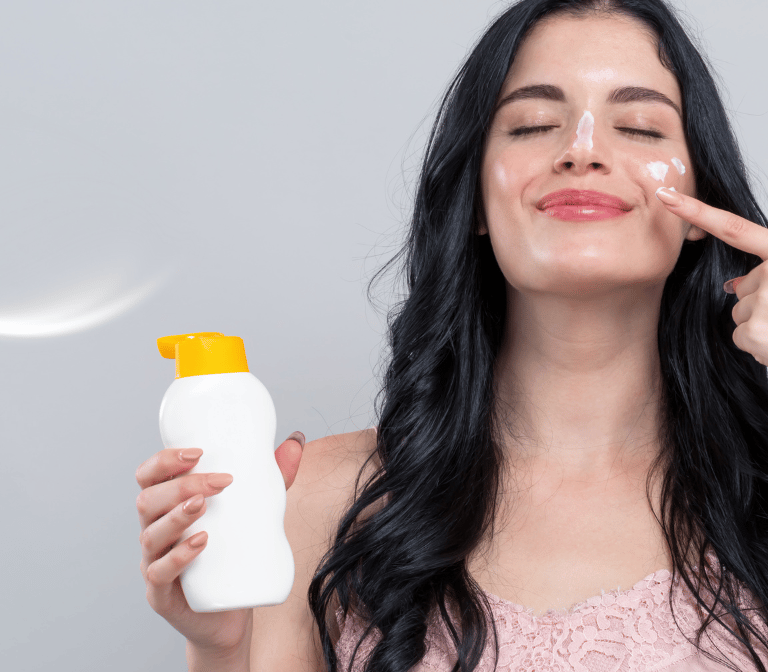
Can sunscreen cause pimples in women with oily skin? This is one of the most common and confusing skincare questions women ask, especially those who already struggle with excess oil, acne, and breakouts. Many women stop using sunscreen after noticing pimples, assuming sunscreen is the culprit. But according to dermatologists, sunscreen itself is not the enemy—the wrong type of sunscreen is.
Let’s understand the real reason behind sunscreen-related breakouts and how women with oily skin can protect their skin without triggering pimples.
Why Women with Oily Skin Are More Prone to Pimples
Women with oily skin have overactive sebaceous glands that produce excess sebum. When oil mixes with sweat, makeup, pollution, and dead skin cells, pores get clogged easily—leading to whiteheads, blackheads, and acne.
This is why choosing the best sunscreen for women oily skin becomes extremely important. A heavy or incorrect formula can worsen breakouts, while the right one can actually help control oil and protect the skin.
Can Sunscreen Actually Cause Pimples?
Dermatologists clarify that sunscreen does not directly cause pimples, but certain sunscreen formulations can trigger acne if they are not suitable for oily or acne-prone skin.
Common reasons sunscreen may cause pimples include:
Thick, greasy formulations
Comedogenic ingredients that clog pores
Heavy cream-based textures
Not cleansing the skin properly at night
Using a non comedogenic sunscreen for women significantly reduces the risk of breakouts.
Ingredients That May Trigger Acne in Oily Skin Women
Some sunscreen ingredients are known to cause congestion in oily skin types.
Ingredients to Be Careful With
Coconut oil
Cocoa butter
Lanolin
Heavy silicones
Mineral oil
Instead, women should look for oil free sunscreen for women with lightweight, water-based formulas.
Dermatologist-Approved Sunscreen for Oily & Acne-Prone Skin
Dermatologists recommend sunscreens that are:
✔ Oil-free
✔ Gel or water-based
✔ Non-comedogenic
✔ Lightweight and fast-absorbing
✔ Broad-spectrum (UVA + UVB protection)
A gel based sunscreen for women absorbs quickly and sits comfortably on the skin without blocking pores.
Why Skipping Sunscreen Is Worse for Oily Skin
Many women stop using sunscreen after acne breakouts, but this can cause even bigger skin problems.
Without sunscreen:
Acne marks become darker
Hyperpigmentation increases
Skin becomes dull and uneven
Oil production may increase due to sun damage
Ironically, sun exposure can make oily skin more oily, which worsens acne over time.
Common Sunscreen Mistakes Women with Oily Skin Make
1. Using Cream Sunscreen Made for Dry Skin
Heavy creams can clog pores and increase shine.
2. Applying Too Much at Once
Over-application can suffocate pores.
3. Not Removing Sunscreen Properly
Leftover sunscreen residue can cause breakouts overnight.
4. Skipping Reapplication or Overdoing It
Balanced application is key.
Using the best sunscreen for women oily skin correctly can prevent these issues.
How to Apply Sunscreen Without Getting Pimples
Follow this dermatologist-approved routine:
Cleanse your face with a gentle face wash
Use a lightweight gel moisturizer (optional)
Apply a coin-sized amount of sunscreen
Pat gently instead of rubbing
Reapply every 3–4 hours if outdoors
At night, double cleanse to remove sunscreen fully
This routine makes sunscreen for acne prone oily skin women safe and effective.
Does Sunscreen Help Reduce Acne Marks?
Yes! Regular sunscreen use:
Prevents acne scars from darkening
Reduces pigmentation
Improves skin healing
Maintains even skin tone
This is why dermatologists insist sunscreen is essential—even for acne-prone skin.
Gel vs Cream Sunscreen: What’s Better for Oily Skin Women?
Gel sunscreen: Lightweight, matte finish, ideal for oily skin
Cream sunscreen: Rich texture, better for dry skin
For oily skin, gel sunscreen is almost always the better choice.
Conclusion
Can sunscreen cause pimples in women with oily skin? The answer is no—if you choose the right sunscreen. Pimples usually occur due to heavy, greasy, or pore-clogging formulas, not sunscreen itself. By selecting an oil-free, non-comedogenic, gel-based sunscreen and following proper cleansing habits, women with oily skin can enjoy sun protection without acne. In fact, the right sunscreen can improve skin texture, reduce acne marks, and keep oily skin healthy in the long run.
Dermacore
3/285, Vivek Khand, Near Neelkanth Sweets, Gomti Nagar, Lucknow, 226010-U.P.
☏ 6386858427, 7607999766
✉ support@dermacore.in