
Psoriasis Symptoms, Causes & Treatment in Lucknow | Dr. Aliza Zaidi Dermatologist Gomti Nagar
Learn about psoriasis symptoms, causes, and advanced treatment options by Dr. Aliza Zaidi, leading dermatologist in Gomti Nagar, Lucknow. Get expert care for healthy skin.
DERMASKIN
5/27/20264 min read
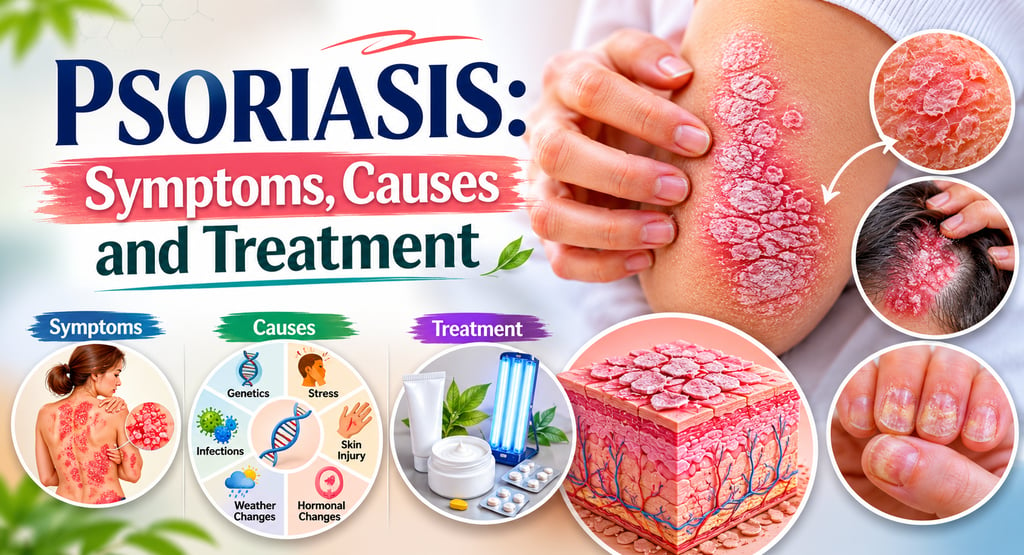
Psoriasis is a chronic skin condition that affects millions of people worldwide. It is an autoimmune disorder that causes the skin cells to multiply faster than normal, leading to thick, scaly, and inflamed patches on the skin. Although psoriasis is not contagious, it can significantly affect a person’s confidence, emotional health, and quality of life if left untreated.
According to Dr. Aliza Zaidi, early diagnosis and proper treatment can help control symptoms effectively and improve skin health. Understanding the symptoms, causes, and available treatment options is important for managing psoriasis successfully.
What is Psoriasis?
Psoriasis is a long-term inflammatory skin disease in which the immune system mistakenly attacks healthy skin cells. This speeds up the skin renewal process, causing skin cells to build up rapidly on the surface. The buildup forms red, itchy, dry, and scaly patches that may sometimes crack and bleed.
Psoriasis can occur at any age, but it commonly develops between the ages of 15 and 35. The condition may appear in cycles, becoming severe for a few weeks or months and then improving temporarily.
Common Symptoms of Psoriasis
The symptoms of psoriasis may vary from person to person depending on the type and severity of the condition. Some individuals may experience mild symptoms, while others may have widespread skin involvement.
1. Red Patches on the Skin
One of the most common signs of psoriasis is raised red patches covered with silvery-white scales. These patches usually appear on the elbows, knees, scalp, lower back, and hands.
2. Dry and Cracked Skin
People with psoriasis often experience extremely dry skin that may crack and sometimes bleed. The skin can feel tight and uncomfortable.
3. Itching and Burning Sensation
Persistent itching, irritation, and burning sensations are common symptoms. Scratching can worsen inflammation and increase discomfort.
4. Thickened Nails
Psoriasis may affect fingernails and toenails, causing pitting, discoloration, thickening, or separation from the nail bed.
5. Joint Pain and Swelling
Some individuals develop psoriatic arthritis, a condition associated with psoriasis that causes joint stiffness, pain, and swelling.
6. Scalp Scaling
Scalp psoriasis can cause dandruff-like flaking, redness, and itching. In severe cases, thick plaques may extend beyond the hairline.
Types of Psoriasis
Psoriasis is classified into different types depending on its appearance and location.
Plaque Psoriasis
This is the most common form and appears as raised, inflamed, scaly patches.
Guttate Psoriasis
Small, drop-shaped lesions appear on the arms, legs, and torso, often triggered by infections.
Inverse Psoriasis
This type affects skin folds such as the underarms, groin, and under the breasts, causing smooth red lesions.
Pustular Psoriasis
Characterized by pus-filled blisters surrounded by inflamed skin.
Erythrodermic Psoriasis
A rare but severe type that causes widespread redness, peeling, and intense itching across large areas of the body.
Causes of Psoriasis
The exact cause of psoriasis is not fully understood, but experts believe it results from a combination of immune system dysfunction and genetic factors.
1. Immune System Dysfunction
Psoriasis is considered an autoimmune condition where immune cells mistakenly attack healthy skin cells, leading to rapid skin turnover.
2. Genetic Factors
A family history of psoriasis increases the risk of developing the condition. Certain genes are linked to psoriasis susceptibility.
3. Stress
Emotional stress can trigger psoriasis flare-ups or worsen existing symptoms.
4. Infections
Bacterial and viral infections, especially strep throat, may trigger psoriasis in some individuals.
5. Skin Injuries
Cuts, burns, insect bites, or skin trauma may lead to psoriasis lesions at the injured site.
6. Weather Conditions
Cold and dry weather often worsens psoriasis symptoms by causing excessive skin dryness.
7. Certain Medications
Some medications, including beta-blockers, lithium, and antimalarial drugs, may trigger flare-ups.
8. Smoking and Alcohol
Smoking and excessive alcohol consumption are known risk factors that can aggravate psoriasis.
How Psoriasis is Diagnosed
Diagnosis is usually based on a physical examination of the skin, scalp, and nails. A dermatologist may also ask about medical history and family history.
In some cases, a small skin sample (biopsy) may be taken to confirm the diagnosis and rule out other skin conditions such as eczema or fungal infections.
Treatment Options for Psoriasis
Although psoriasis has no permanent cure, several effective treatments can help manage symptoms, reduce inflammation, and prevent flare-ups.
According to Dr. Aliza Zaidi, treatment plans are customized based on the severity of the condition, affected areas, and the patient’s overall health.
1. Topical Treatments
Mild psoriasis is often treated with creams and ointments, including:
Corticosteroid creams
Vitamin D analogues
Salicylic acid preparations
Coal tar products
Moisturizers
These help reduce inflammation, scaling, and itching.
2. Phototherapy
Light therapy involves controlled exposure to ultraviolet (UV) light under medical supervision. It helps slow excessive skin cell growth and reduce inflammation.
3. Oral Medications
Moderate to severe psoriasis may require oral medications that suppress the immune system and control inflammation.
4. Biologic Therapy
Biologics are advanced injectable treatments that target specific parts of the immune system responsible for psoriasis.
5. Lifestyle Management
Maintaining a healthy lifestyle can help control flare-ups:
Keep skin moisturized
Avoid smoking and alcohol
Manage stress levels
Follow a balanced diet
Exercise regularly
Tips to Prevent Psoriasis Flare-Ups
Use gentle skincare products
Avoid harsh soaps and hot water
Protect skin from injuries
Stay hydrated
Follow prescribed treatment regularly
Identify and avoid personal triggers
When to See a Dermatologist
You should consult a dermatologist if:
Skin lesions are spreading rapidly
Symptoms are painful or severe
Over-the-counter treatments are not helping
Joint pain develops
Psoriasis affects daily life or confidence
Early medical intervention can prevent complications and improve long-term skin health.
Conclusion
Psoriasis is a chronic but manageable skin condition that requires proper medical care and lifestyle management. Understanding the symptoms, triggers, and treatment options can help individuals control flare-ups and maintain healthier skin.
If you are experiencing persistent itching, scaly patches, or redness, consult Dr. Aliza Zaidi for expert evaluation and personalized psoriasis treatment in Gomti Nagar, Lucknow. Timely treatment and proper skincare can make a significant difference in improving comfort, confidence, and overall quality of life.
Dermacore
3/285, Vivek Khand, Near Neelkanth Sweets, Gomti Nagar, Lucknow, 226010-U.P.
☏ 6386858427, 7607999766
✉ support@dermacore.in