
The Science Behind Healthy Skin: Understanding How Your Skin Works
Learn the science behind healthy skin, including skin barrier function, hydration, collagen, nutrition, sun protection, and skincare habits for maintaining healthy, glowing skin.
DERMASKIN
6/17/20264 min read
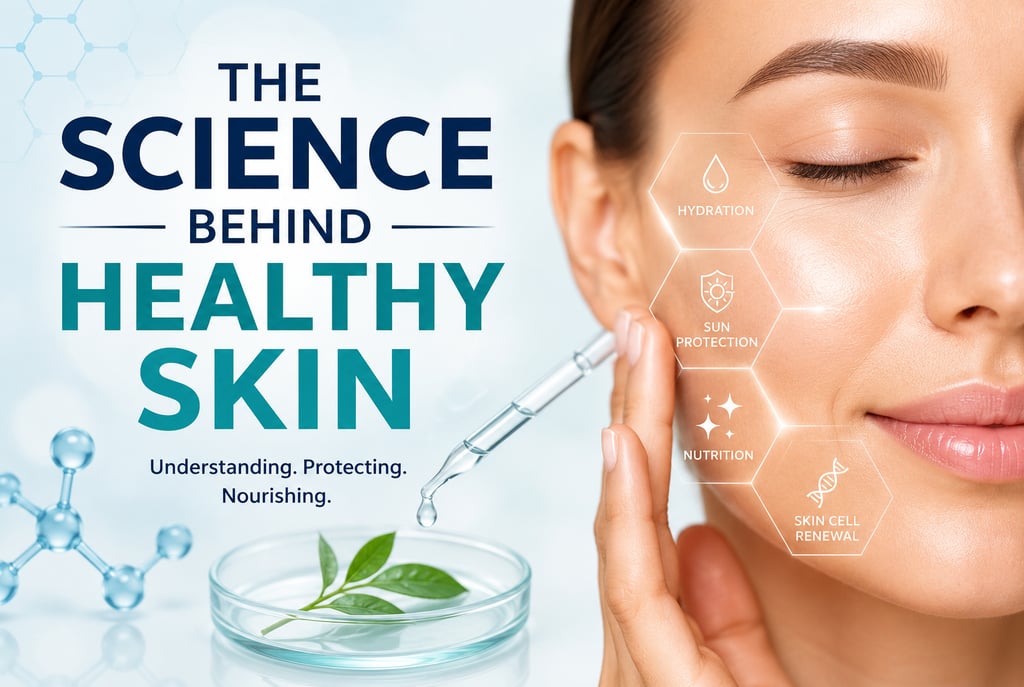
Healthy skin is often associated with beauty, but it is much more than appearance. Skin is the largest organ of the human body and serves as a protective barrier against environmental damage, harmful microorganisms, and water loss. Understanding the science behind healthy skin can help you make informed decisions about skincare and maintain a radiant complexion for years to come.
Understanding the Structure of Skin
The skin consists of three primary layers:
1. Epidermis
The epidermis is the outermost layer of the skin. It acts as a shield against pollutants, bacteria, and UV radiation. This layer contains cells called keratinocytes that produce keratin, a protein responsible for skin strength and protection.
2. Dermis
Located beneath the epidermis, the dermis contains collagen and elastin fibers that provide firmness and elasticity. It also houses blood vessels, hair follicles, sweat glands, and nerve endings.
3. Hypodermis
The deepest layer, known as the hypodermis or subcutaneous tissue, contains fat cells that help insulate the body and protect internal organs from injury.
The health of these layers determines how your skin looks and functions.
The Role of the Skin Barrier
One of the most important scientific concepts in skincare is the skin barrier. The outer layer of the epidermis, called the stratum corneum, acts like a brick wall. Skin cells function as the bricks, while natural lipids act as the mortar holding them together.
A healthy skin barrier helps:
Retain moisture
Prevent dehydration
Protect against bacteria and irritants
Reduce sensitivity and inflammation
When the barrier becomes damaged due to excessive cleansing, harsh products, or environmental stress, the skin may become dry, irritated, and prone to breakouts.
Why Hydration Matters
Water plays a critical role in maintaining healthy skin. Proper hydration helps skin cells function efficiently and supports the skin's natural repair processes.
Hydrated skin typically appears:
Softer
Smoother
More elastic
More radiant
Ingredients such as hyaluronic acid, glycerin, and ceramides help attract and retain moisture within the skin. Drinking adequate water and using suitable moisturizers can support overall skin health.
The Importance of Collagen and Elastin
Collagen and elastin are proteins found in the dermis that maintain skin structure and flexibility.
Collagen
Collagen provides strength and firmness to the skin. As people age, collagen production naturally declines, leading to fine lines, wrinkles, and sagging.
Elastin
Elastin allows skin to stretch and return to its original shape. Reduced elastin levels contribute to loss of skin elasticity over time.
Factors such as sun exposure, smoking, poor nutrition, and pollution can accelerate the breakdown of these essential proteins.
How Nutrition Affects Skin Health
The skin reflects what happens inside the body. A balanced diet rich in nutrients supports healthy skin function.
Important nutrients include:
Vitamin C
Vitamin C supports collagen production and helps protect the skin from free radical damage.
Vitamin E
This antioxidant helps defend skin cells against environmental stressors.
Omega-3 Fatty Acids
Found in fish, walnuts, and flaxseeds, omega-3 fatty acids help maintain the skin's lipid barrier and reduce inflammation.
Zinc
Zinc supports wound healing and may help manage acne-prone skin.
A diet rich in fruits, vegetables, whole grains, and lean proteins provides the building blocks needed for healthy skin.
The Impact of Sun Exposure
Ultraviolet (UV) radiation is one of the leading causes of premature skin aging. Excessive sun exposure can damage collagen, cause pigmentation, and increase the risk of skin cancer.
There are two primary types of UV rays:
UVA Rays: Responsible for skin aging and wrinkles.
UVB Rays: Cause sunburn and direct DNA damage.
Daily sunscreen use is one of the most scientifically proven ways to protect skin health. Broad-spectrum sunscreen helps shield the skin from both UVA and UVB rays.
The Science of Skin Cell Renewal
Skin is constantly renewing itself. New skin cells are produced in the lower layers of the epidermis and gradually move toward the surface.
In younger individuals, this process takes approximately 28 days. As age increases, cell turnover slows down, leading to dullness and uneven texture.
Proper skincare practices such as gentle exfoliation can help remove dead skin cells and encourage a brighter appearance. However, over-exfoliation may damage the skin barrier and cause irritation.
The Connection Between Stress and Skin
Scientific research has shown a strong link between stress and skin health.
When stress levels rise, the body releases cortisol, commonly known as the stress hormone. Elevated cortisol levels can:
Increase oil production
Trigger acne breakouts
Worsen eczema and psoriasis
Slow wound healing
Managing stress through regular exercise, adequate sleep, mindfulness, and relaxation techniques can positively impact skin health.
Sleep and Skin Repair
Sleep is often called the body's natural recovery period. During sleep, the skin undergoes repair and regeneration processes.
Poor sleep quality may contribute to:
Dull complexion
Dark circles
Increased signs of aging
Reduced skin barrier function
Most adults benefit from seven to nine hours of quality sleep each night to support overall health and skin recovery.
Choosing the Right Skincare Routine
Healthy skin does not necessarily require complicated routines. A simple, consistent skincare regimen often provides the best results.
A basic routine includes:
Gentle cleansing
Moisturizing
Daily sunscreen application
Targeted treatments when necessary
The ideal skincare routine varies depending on skin type, age, and individual concerns. Understanding your skin's unique needs is essential for achieving long-term results.
Conclusion
Healthy skin is the result of multiple biological processes working together. A strong skin barrier, proper hydration, balanced nutrition, sun protection, quality sleep, and effective skincare habits all contribute to optimal skin health. By understanding the science behind healthy skin, individuals can make smarter skincare choices and maintain healthier, more resilient skin over time.
For personalized skincare guidance and professional skin evaluation, consult Dr. Aliza Zaidi, a trusted dermatologist in Gomti Nagar, Lucknow, who can recommend treatments and skincare solutions tailored to your specific skin needs.
Dermacore
3/285, Vivek Khand, Near Neelkanth Sweets, Gomti Nagar, Lucknow, 226010-U.P.
☏ 6386858427, 7607999766
✉ support@dermacore.in